
Why condition matters
For a common coin, condition hardly changes anything: a worn €1 is still worth €1. For a scarce coin, it changes everything. A rare €2 commemorative in perfect condition can be worth twice as much as the same coin with clear signs of use, and a coin in its original presentation case is worth more again.
Collectors describe condition with short codes called grades. Euro collectors mostly use four of them.
The four grades you need to know
| Grade | What it means | What you see |
|---|---|---|
| UNC Uncirculated | Never used as money | Full original shine, every detail sharp, no wear at all. Small marks from the mint bag are possible. Coins from rolls and collector packs are usually UNC. |
| EF Extremely fine | Used very briefly | Almost all the shine is still there. Only the highest points of the design (a cheek, a hair line, the tip of a building) show tiny traces of wear. |
| VF Very fine | Clearly used | The shine is mostly gone and the raised parts are flattened, but every letter and the main design are still easy to read. |
| F Fine | Heavily used or damaged | Large flat areas, faded details, scratches or dents. The coin is still recognisable but far from its original look. |
You may also see BU (brilliant uncirculated, extra careful minting for collectors) and Proof (a mirror-like background with frosted design, struck several times and sold in a case). Both are special collector versions and usually cost more than ordinary UNC coins.
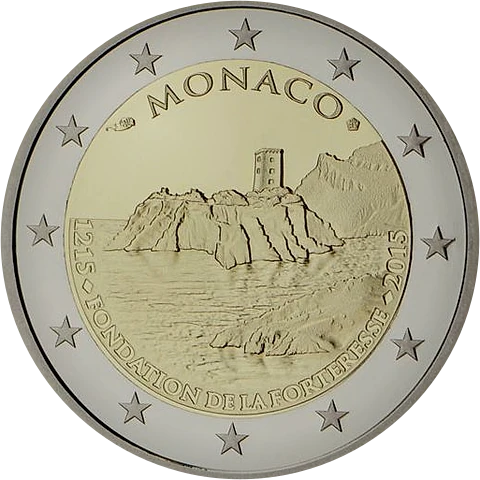
On euro coins, look first at the highest points of the national design and at the twelve stars on the ring: they are the first places where wear and scratches show.
How to check a coin at home
- Hold it by the edge, never by the faces. Fingerprints leave marks that can become permanent.
- Use daylight or a lamp from the side. Light from an angle makes wear and fine scratches visible.
- Tilt the coin slowly. An uncirculated coin shows a moving shine across the whole surface ("lustre"). Worn coins look flat and dull.
- Check the high points of the design and the stars on the ring with a magnifying glass (5× to 10× is enough).
- Compare with a picture of the same coin in perfect condition. Missing details are easy to spot side by side.
How much does the grade change the value?
There is no fixed rule, but as a guide, EuroCoiner's collector's value starts from the price of an uncirculated coin and lowers it for the condition it sees: roughly three quarters of the UNC price for EF, around 60% for VF and about half for F. A coin never drops below its face value.
Never clean, polish or rub a coin to make it look better. Cleaning leaves fine scratches that experienced collectors recognise at once, and it can halve the value of a scarce coin.
Keep your coins in good condition
- Store valuable coins in capsules or holders made for coins. Avoid soft plastic sleeves that contain PVC: over the years they can leave a green film on the metal.
- Keep them dry and away from big temperature changes.
- Leave coins from presentation packs in their original case. The case is part of the value.
Let the AI judge it
Scan a coin with EuroCoiner: it identifies the design, judges the condition from your photo and shows the collector's value for that condition.