
What makes euro coins special
Every euro coin has two sides. The common side shows the value and a map of Europe and is the same everywhere. The national side carries a design chosen by the country that issued it. Twenty-five countries issue euro coins today, so the coins in your change come from all over Europe.
Each country issues eight values: 1, 2 and 5 cent (reddish copper colour), 10, 20 and 50 cent (yellow "Nordic gold") and €1 and €2 (two colours). On top of that, countries may issue up to two €2 commemorative coins a year, plus joint issues for big European anniversaries. That makes hundreds of designs to discover.
Choose what to collect
There is no wrong way, but a clear goal keeps a collection fun. Popular choices:
- One coin from every country. A great first goal: 25 coins, many of them found in your change.
- A full set of one country: all eight values of each design series.
- €2 commemoratives, by country or by year. The most popular theme today, with new designs every year.
- Your own theme: buildings, famous people, animals, sport, or the year you were born.
Where to find coins
- Your change. Look at every coin before you spend it. Travel and tourist areas bring coins from many countries.
- Swaps with other collectors. The cheapest way to fill gaps: you give your duplicates and get coins you are missing.
- Banks and national mints. Mints sell new commemoratives in rolls and collector packs at or near face value when they are issued.
- Coin fairs and dealers for older or scarcer coins. Compare prices before you buy.
Store them properly
- For everyday coins, an album with pockets or a coin box with trays is enough.
- For valuable coins, use individual capsules. Avoid soft plastic that contains PVC.
- Hold coins by the edge, keep them dry, and never clean them.
- Keep coins from collector packs in their original case.
Keep track of what you have
After a few dozen coins it gets hard to remember what you already own. A list in a notebook works, but it is easy to lose track of duplicates and missing coins. That is exactly why we built EuroCoiner: you scan a coin with your phone, the app finds it among every euro design and adds it to your album, country by country. You always see what is missing, and your duplicates are ready to swap.
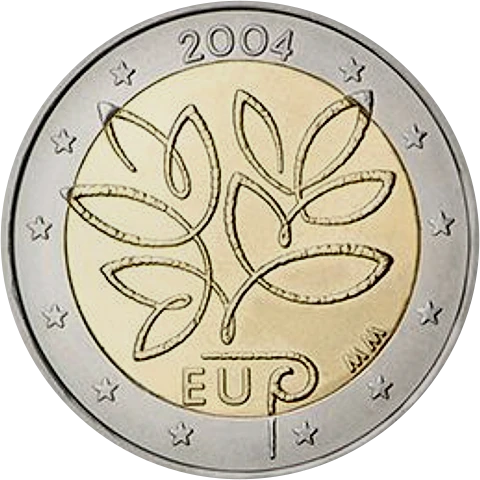
Tip: when you find a commemorative in your change, check its year and country. Some, like Finland's 2004 coin, are worth more than face value even after years in circulation.
Five tips for beginners
- Start with coins from your change before buying anything.
- Set a small monthly budget if you buy coins.
- Learn the basic condition grades (UNC, EF, VF, F).
- Join collector groups and swap your duplicates.
- Enjoy the stories: every design tells something about the country that issued it.
Start your album today
EuroCoiner is free on your phone and your computer: scan coins, see what you are missing country by country and swap your duplicates.